English
In the vast system of mechanical manufacturing, construction engineering and various equipment assembly, seemingly insignificant fasteners often determine the stability and safety of the entire structure. As one of the most widely used and in-demand fastener categories, hexagonal head screws, with their unique structural design and reliable mechanical properties, are continuously playing an irreplaceable role in the fields of intelligent manufacturing and heavy engineering.
Structural Advantage: Efficient Torque Transmission
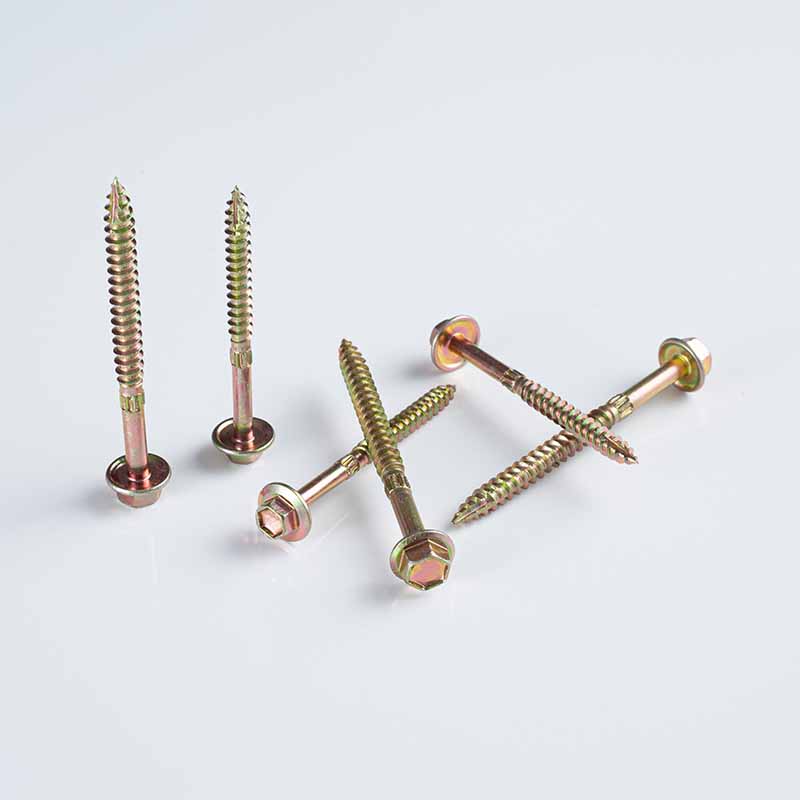
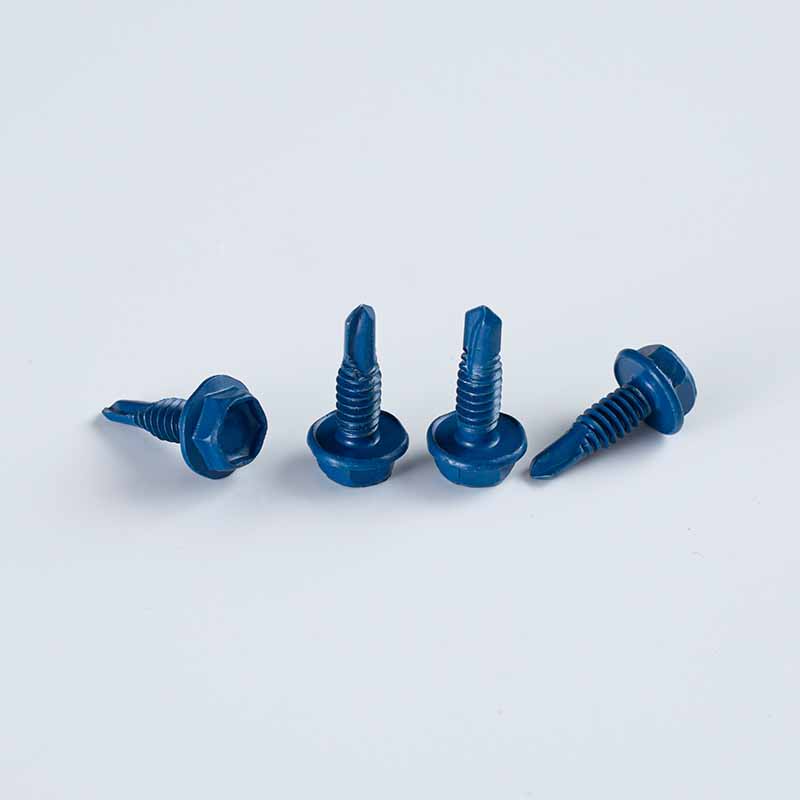
The core design of hexagonal head screws lies in the shape of their six sides. This classic geometric structure provides ample force-bearing surfaces, allowing operators to apply greater torque when using wrenches, sockets, and other tools without worrying about the sliding angle of the head. Compared to other head types, hexagonal heads have higher force transmission efficiency during tightening, ensuring that the bolts achieve precise preload, effectively preventing the connected components from loosening under vibration or dynamic loads.
Materials and Processes: Meeting Strict Standards
As industrial standards have risen, modern hexagonal head screws have been continuously upgraded in terms of materials and surface treatment. Currently, the high-end products on the market are mainly manufactured from carbon steel, alloy steel (such as 35K, 40Cr, 42CrMo) and stainless steel (304, 316 grades), and their mechanical properties are optimized through heat treatment processes.
To meet the varying environmental requirements, surface treatment technologies have also become increasingly mature:
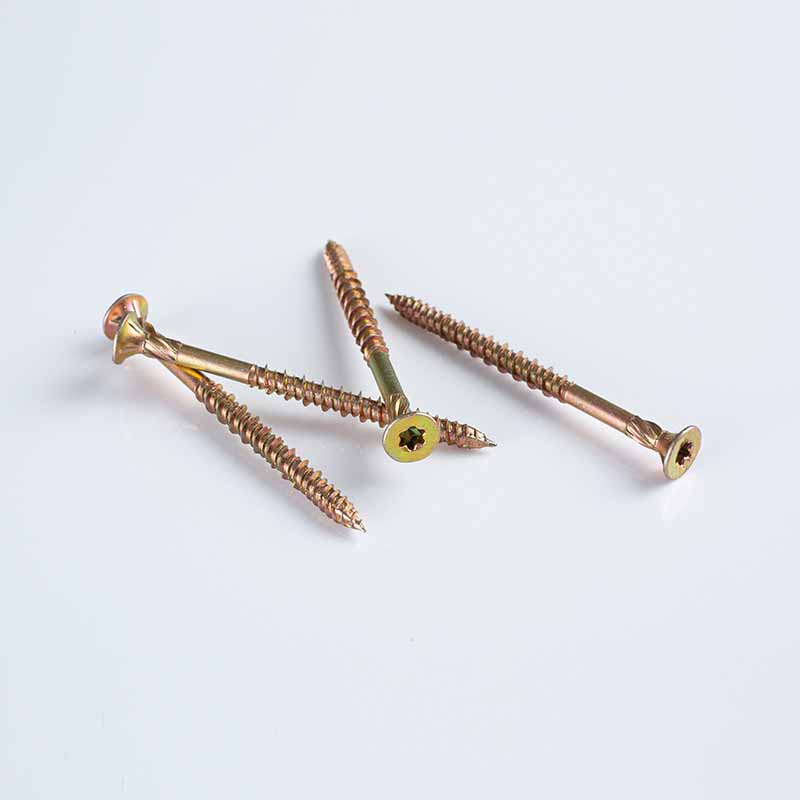
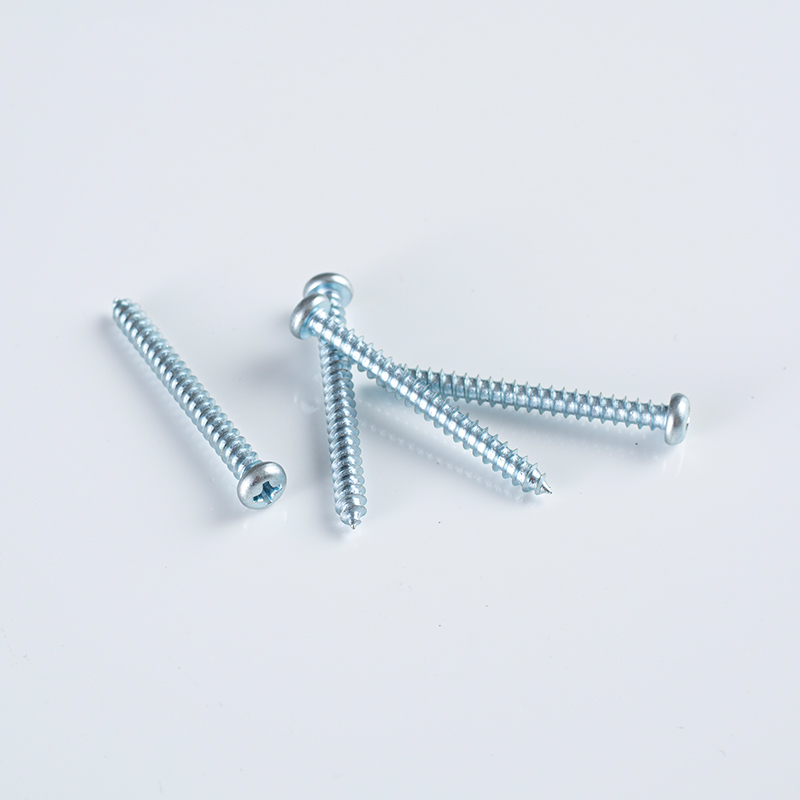
Environmental-friendly blue and white zinc / colored zinc: Provides basic rust prevention capability, suitable for general indoor industrial use.
Hot-dip galvanizing: Forms a thick protective layer, suitable for outdoor facilities such as transmission towers and bridges that are exposed for a long time.
Dacromet: It has extremely high resistance to salt spray corrosion and is commonly used in automobiles, ships and marine engineering.
Application fields: From precision electronics to super engineering
The versatility of hexagonal head screws enables them to span multiple industrial sectors:
Heavy machinery and vehicle manufacturing: Key components such as engines, chassis, and axle housings rely on high-strength hexagon head bolts (10.9 grade, 12.9 grade) to withstand tremendous shear forces and tensile forces.
Infrastructure construction: In the processes of steel structure connection, track fixation, and installation of photovoltaic supports, large-sized hexagonal head screws serve as the "joints" that connect the steel beams with the bases.
Electronics and household appliances: Small precision hexagonal head screws are used to fix the motor, compressor and casing, ensuring that the product remains securely in place for long-term use.


en