English
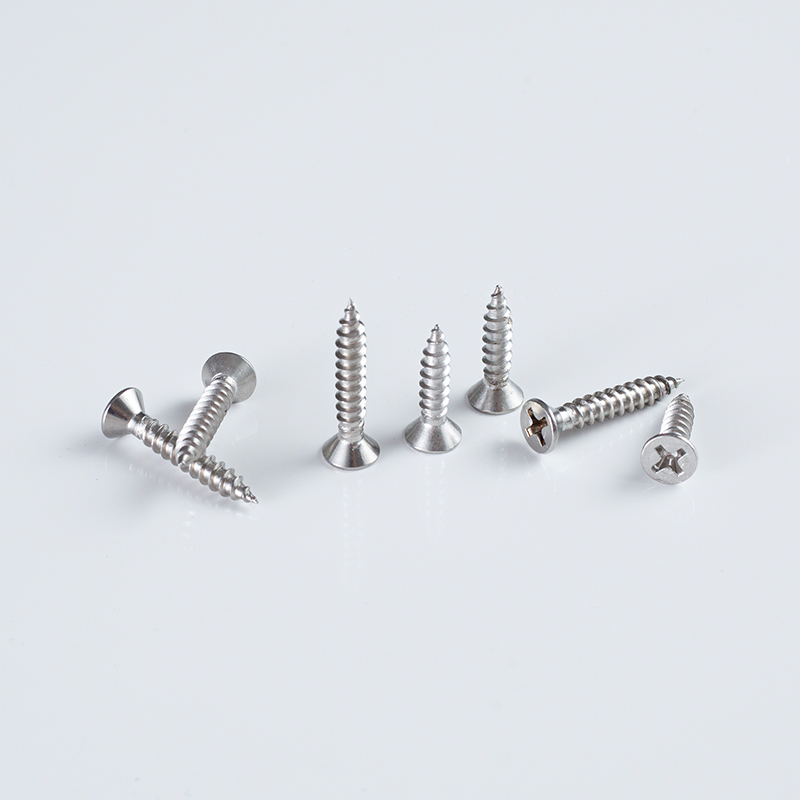
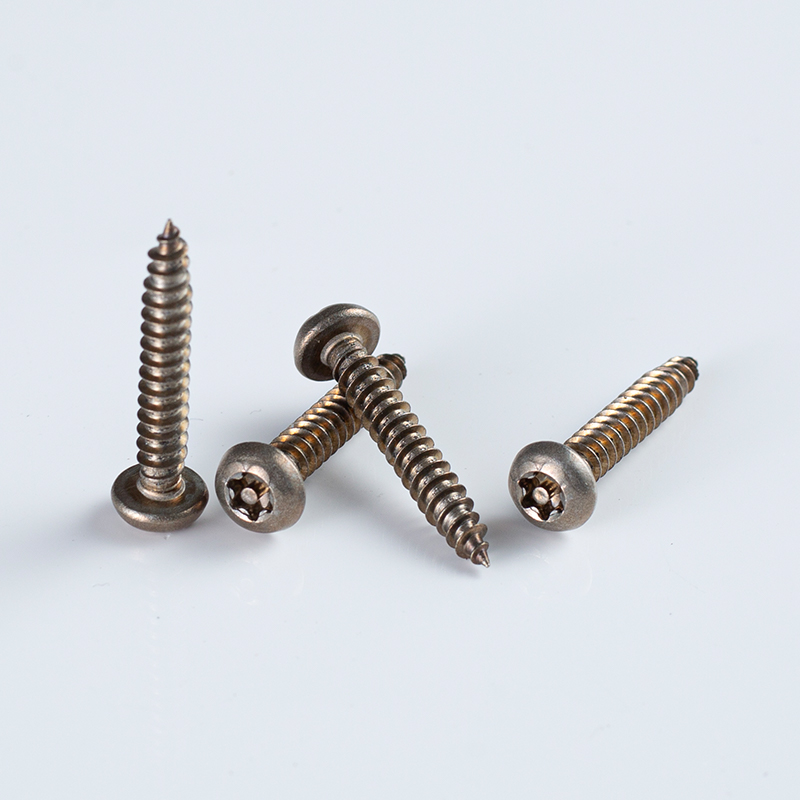
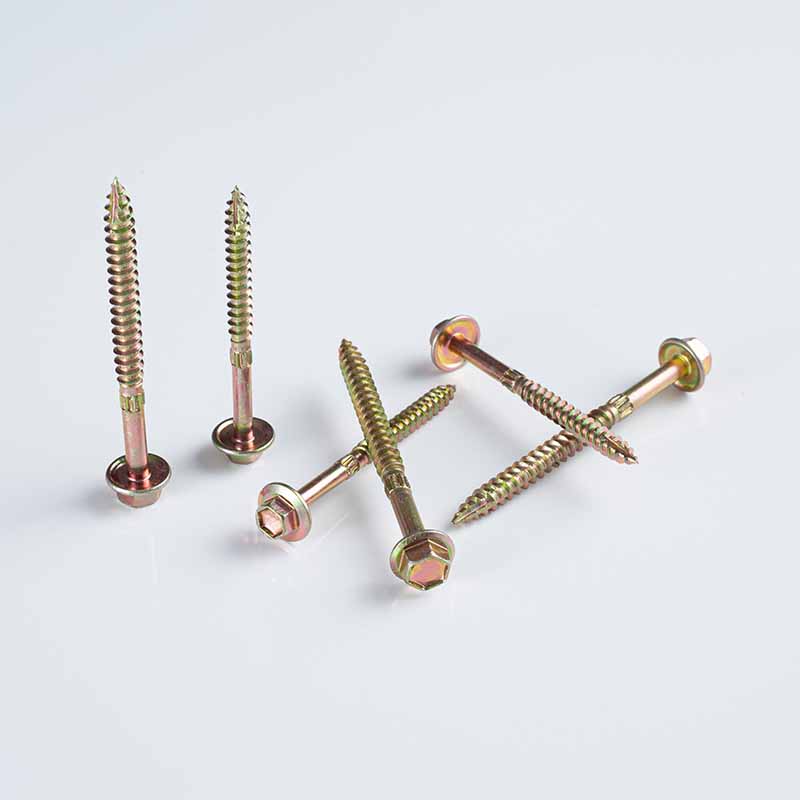
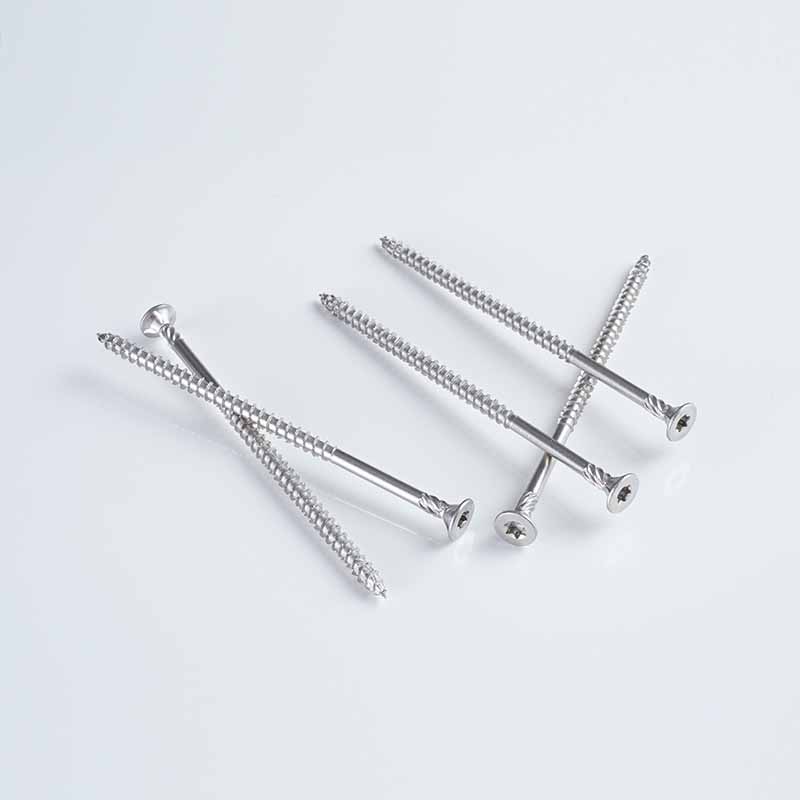
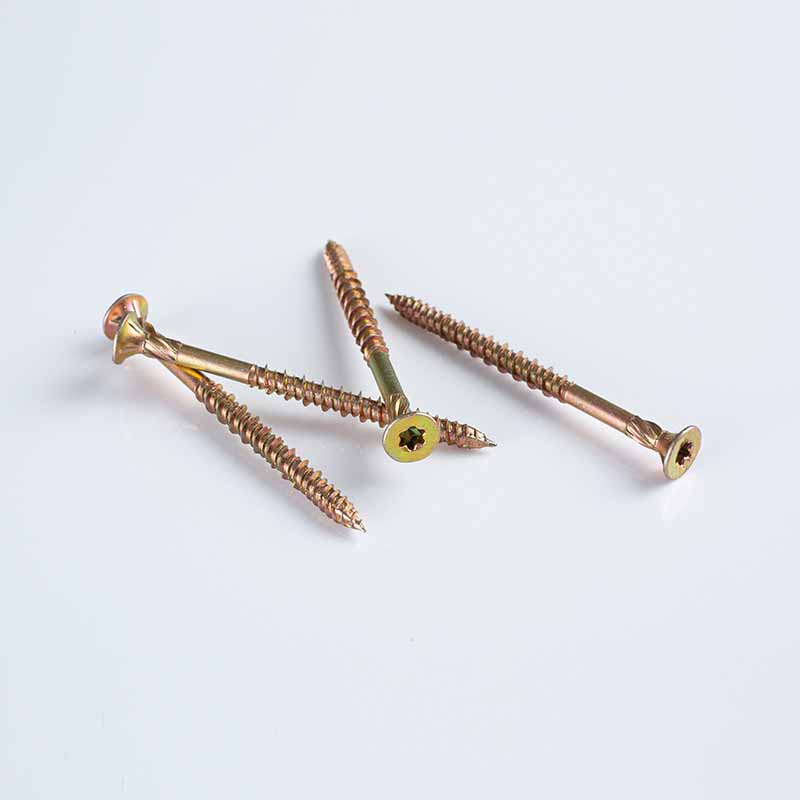
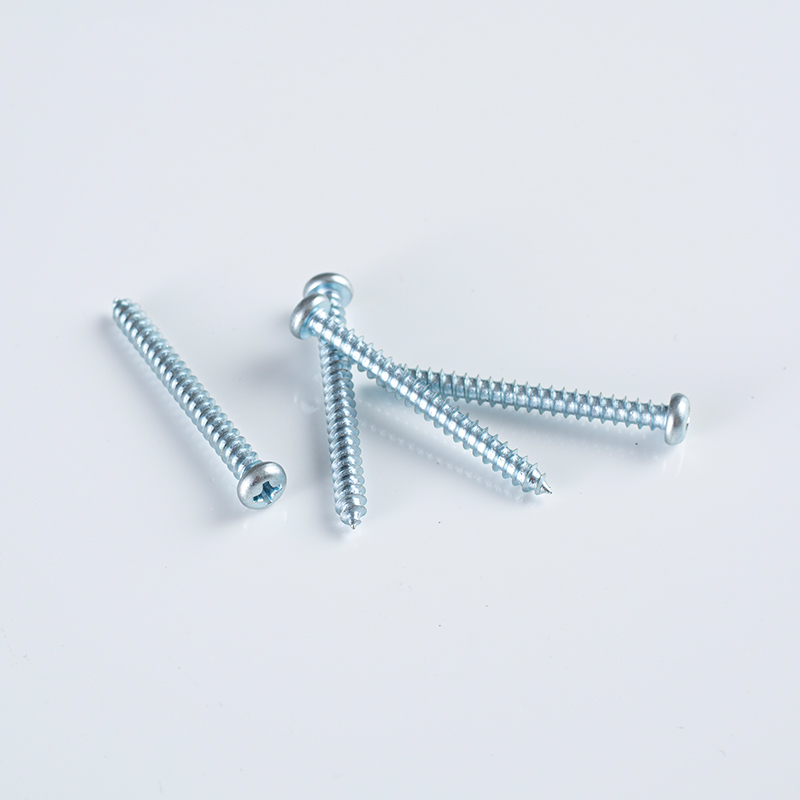
Self-tapping screws, with their core advantage of having a built-in cutting edge and being able to form internal threads directly on the substrate without the need for pre-drilled holes, have become a key foundational component connecting various fields such as electronic manufacturing, the automotive industry, building assembly, and home appliance assembly. Compared to ordinary mechanical screws, their thread profile is steeper, the pitch is larger, and the starting end is equipped with a sharp cutting edge or a guiding cone angle, which can be adapted to various substrates such as wood, steel plates, and plastics. They are widely used in scenarios such as the three-electric systems of new energy vehicles, photovoltaic supports, prefabricated building enclosure structures, and smart home appliances, especially playing an irreplaceable role in high-precision assembly and rapid construction scenarios. As the downstream industry transitions towards high-end and intelligentization, market requirements for the precision, strength, corrosion resistance, and adaptability of self-tapping screws have become higher, driving the industry to transform from labor-intensive manufacturing to a technology-driven industry.
Technological innovation has become the core engine for industry upgrading, promoting a comprehensive breakthrough in the performance of self-tapping screw products. In terms of structural design, the industry has achieved iterations of multiple types of products, forming series such as Type A, Type B, and Type AB, with the thread angle optimized to 40°–60°, the guiding cone angle controlled within 15°–30°, effectively reducing the initial cutting resistance and improving positioning accuracy; some high-end products adopt a "double-thread segment" design, with a coarse thread in the front and a fine thread for locking in the rear, extending the failure cycle under vibration tests to 2.3 times that of conventional models. In terms of material application, stainless steel 304/410, brass, and environmentally friendly alloys have become the mainstream, with the surface hardness reaching up to HV1900, and passing EU ROHS and REACH environmental certifications; the application of zinc-nickel alloys and organic silicone resins enables the product's neutral salt spray test to last over 1000 hours, effectively addressing corrosion problems in outdoor and humid environments, and adapting to high-end scenarios such as aviation and marine engineering.
The continuous deepening of intelligent manufacturing and industry integration has further enhanced the industry's core competitiveness. Currently, domestic leading enterprises have gradually introduced precision cold forging forming technology, with equipment precision controlled within ±0.01mm, and the minimum thread outer diameter reaching 0.4mm. Combined with intelligent production technology and AI visual recognition systems, production efficiency has significantly increased compared to traditional processes, with product qualification rates stabilizing at over 98.5%. The digital integration of the upstream and downstream supply chains has achieved remarkable results, with the optimization of the upstream raw material supply chain reducing procurement costs by 15-20%, and the intelligent warehousing system achieving an inventory error rate of ≤0.3%; the downstream application end uses digital selection systems to automatically match assembly points and accurately calculate usage, significantly reducing assembly losses and construction costs. At the same time, leading enterprises accelerate their full-chain layout, and some have built intelligent warehouses, achieving a 12-hour response time for emergency orders and 7-day customized delivery, improving customer service efficiency.
The market landscape shows a concurrent trend of diversified development and structural upgrading. From the regional distribution perspective, the global self-tapping screw market has formed a layout centered around the United States, Europe, and the Asia-Pacific region. The Chinese market stands out, with the output of metal self-tapping screws in China reaching 18.64 million tons in 2025, a year-on-year increase of 12.5%. The Yangtze River Delta and Pearl River Delta regions have gathered most of the manufacturing enterprises in the country, forming a cluster advantage. The domestic market presents a moderately concentrated competitive landscape, with leading enterprises occupying a dominant position due to their technological and production capacity advantages. There are multiple enterprises with an annual production capacity of over 3 billion screws. Key efforts are focused on high-end niche areas. Meanwhile, the export potential of self-tapping screws in China continues to be released, with export products mainly featuring high precision and environmental friendliness, with unit prices significantly higher than domestic sales averages, and exported to countries and regions around the world. The recognition of domestic self-tapping screws in the international high-end market continues to increase.
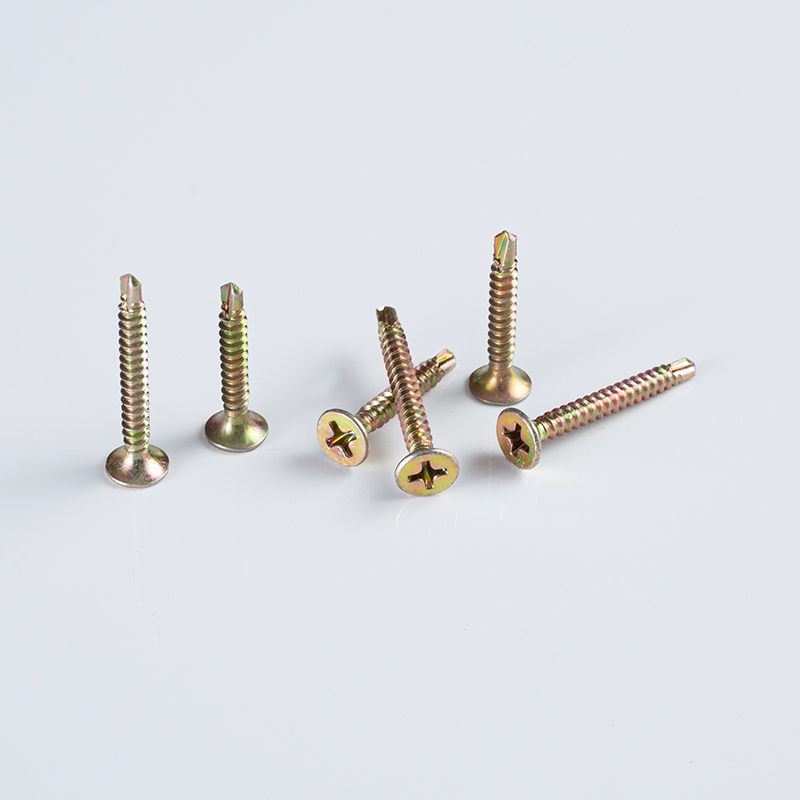
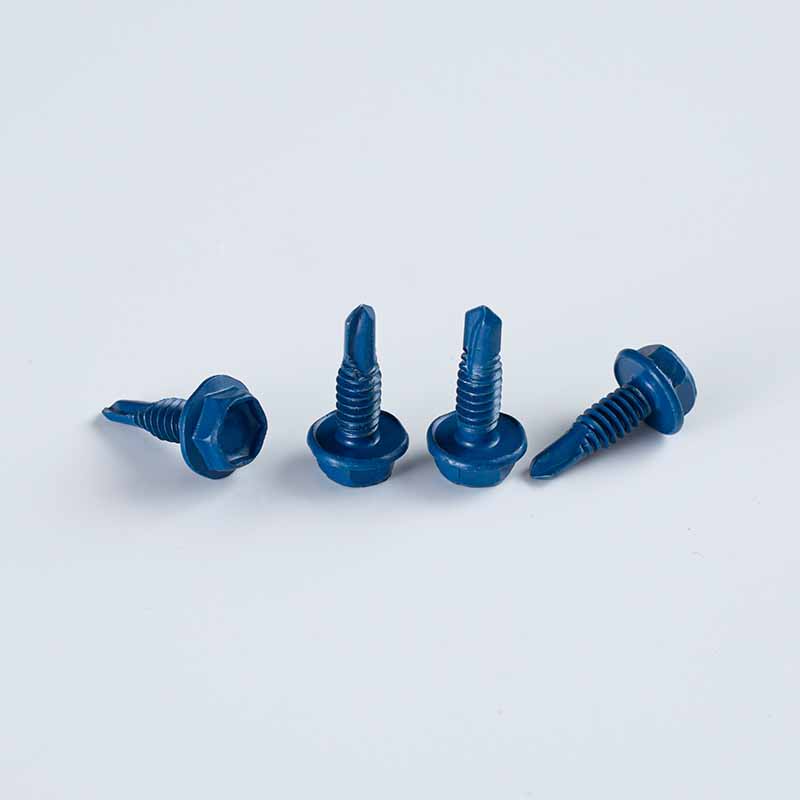
Industry development trends indicate that green environmental protection and high-endization, customization will become the core development directions in the future. With the continuous tightening of environmental protection policies, the demand for halogen-free, eco-friendly materials has increased by 30%. The application coverage of water-based eco-friendly coatings and other processes has continued to rise, and the shipment volume of products that meet the environmental requirements of the high-end sector has gradually increased. The demand for high-value-added products is growing rapidly. For instance, hexagonal nylon faucet self-drilling and self-tapping screws have benefited from the stimulation from the wind power and photovoltaic sectors, and it is expected that the market size will reach 1.86 billion yuan by 2030, with an average annual compound growth rate of 11.4%. The demand for customized products in the fields of new energy vehicles and aviation is surging, and the proportion of small-batch customized orders from leading enterprises has exceeded 45%. In addition, the "trade + manufacturing" integrated model has become a new path for enterprise development. Some enterprises are planning to expand intelligent production bases and professional inspection systems to further strictly control product quality and shorten the supply cycle.


en